

This story happened a very long time ago. My great-grandmother heard it and told it to my grandmother, and she told it to me. Now I will tell it to you, and you may believe it or not, as you wish.
Many years ago, brave and strong people lived on the earth. They were beautiful in both spirit and body. They called themselves Narts, and the place where they lived bore the melodic name Alania, a place of magical beauty! Snowy peaks soared into the blue of the high sky, fairy-tale mountain gorges, emerald hills and turquoise lakes… The air was clear and transparent, like crystal. It was filled with the delicate fragrance of… mmm… rare flowers: transparent edelweiss, alpine rhododendrons, mountain irises, fresh meadow grass, and an incredible warmth that rose from the very depths of this land.
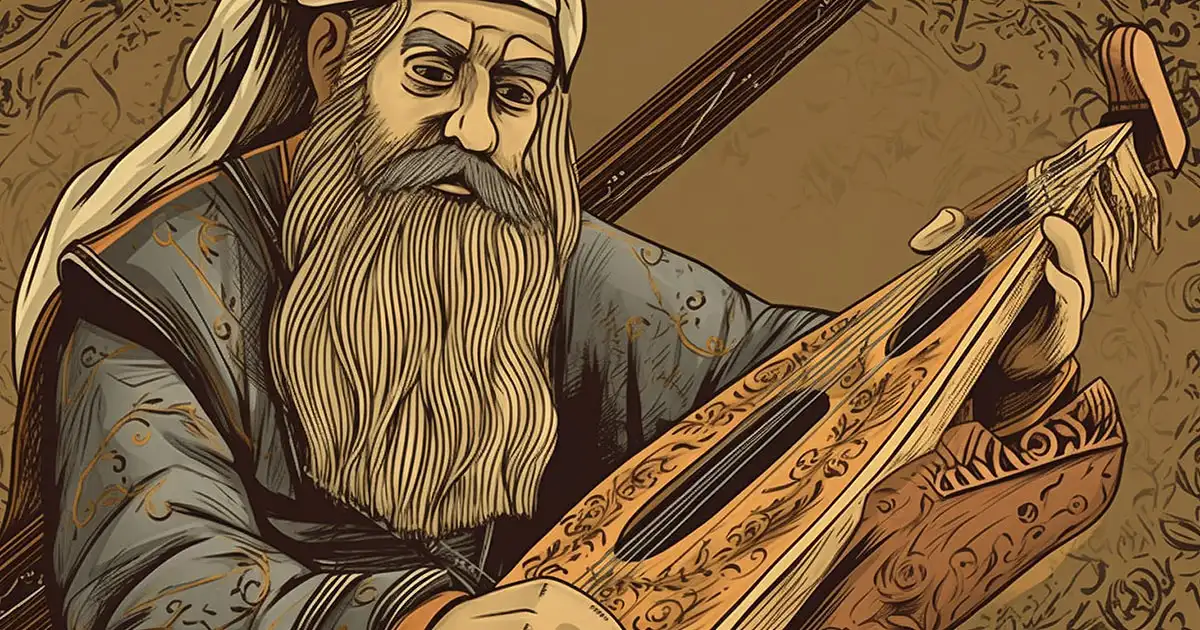
In such a place lived a Master with golden hands. People marvelled: everything the Master's hands touched turned into beauty as if by magic. He worked tirelessly, helping the young and the old and bringing joy to children and adults alike.
One day, after hard work, the Master sat down under a tree to rest for a while and, without noticing, dozed off. Through his sleep he heard the sounds of the forest and the roar of a wild mountain river, and suddenly, somewhere high above his head, the chirping of birds. They chirped, interrupting one another, as if eager to share something quickly.
The Master, without opening his eyes, listened…
Don't be surprised. Our Master could easily understand the language of animals and birds, because he loved and cared for nature very much.
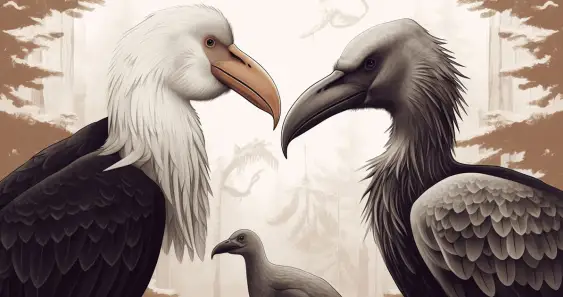
Judging by their voices, three little birds had settled on a branch of the tree.
Tyut, tyut, tyut, what beautiful voices our little sisters have, twittered one of the birds.
Yes, continued another, we can sing sadly, and joyfully too. And also clearly and lightly.
I wonder, chimed in the third, can anyone else sing as beautifully as we do?
Nonsense, hardly, no! all three birds agreed, fluttered up and flew away.
Then the Master woke up and pondered. The birds' conversation had both troubled and inspired him. Unable to contain the urge to create and make something, he jumped up and set to work.
He climbed the forested mountain on its southern slope, where the sun generously warms everything around. There he saw a large, sturdy hazel bush, and from one thick branch he carved a round bowl. He stretched two strings of horsehair across it, and the instrument began to play so long-drawn and plaintive that hearts ached. Then the forest and the mountains wept. Out of nowhere clouds gathered, and tears poured from the sky… So mournfully and sadly did the instrument sing.
It seemed simple enough: two strings and a wooden body, yet it sounded like a human creaking voice. It would not sing in just any hands, only in gentle and kind ones.
For a long time the Master gazed at his creation and gave it a name, as parents name their child. He called it Kisyn-fandyr (from the word 'kis', meaning hair).
The next day, where three rivers merged into one stream at the foot of three mountains, the Master saw a mighty black cedar. It rustled its shaggy branches.
The Master chose a solid piece of wood and carved a triangular body resembling a bow, then stretched the strings. Suddenly the sun, which had been hiding behind gloomy clouds, peeked out. Right in front of the Master, twelve brilliant sunbeams landed on the ground. It seemed they had just leapt out of a heavenly sunfall. Hopping from one string to another, they began to play…
A melody flowed out, tender, sunny and shimmering. It sounded so beautiful that everything around fell silent in wonder. It seemed the instrument was playing the incredibly lovely melody all by itself, as if some force lifted it and carried it higher and higher into the pure azure sky.
No one dared to stir, lest they frighten away the voice. It spilled over the hills and mountains, spread across the emerald grass, and rang out in the high sky.
Incredible miracle! thought the Master. I never imagined sunbeams could be such skilful musicians!
He named the instrument fandyr, which means 'music.'
The third instrument came from a reed stalk, in which the Master made little holes. It sounded music so light and ringing, as if the mountain wind itself were playing it. He named this instrument uadyndz, which means 'breath.'
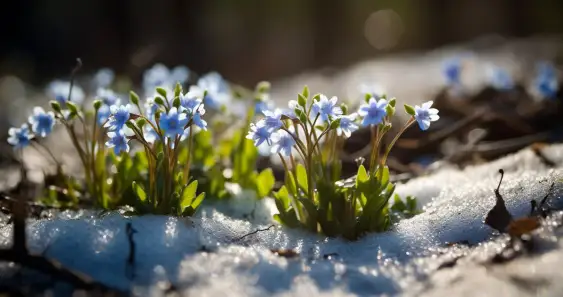
As soon as the uadyndz began to play, something incredible happened. Rivers overflowed their banks, mountain slopes were covered with a green carpet, and wildflowers bloomed in the meadows. Among them butterflies and bees began to flutter, and bears woke from their winter sleep and came out of their dens. True spring had arrived…
The Master watched all this with delight and said: “The sounds of these instruments have brought into our home the farn, heavenly blessing. So let the magical music always sound: fandyr!”
From then on he made things to the tunes of melodies. These melodies came together on their own into songs that praised everything the Master saw around him: beautiful flowers, crystal mountains, clear rivers and blue lakes, everything that lived and grew on the native Alanian land. The music sang of everything that filled the Master's soul.
In the sounds of the musical instruments the Master had created (the fandyr, the kisyn-fandyr and the uadyndz), people began to find comfort when trouble came. And when something good happened to them, they poured their joy into the beautiful sound.
That is why people began to say there are songs for every occasion in life, and there is no person who, in their lifetime, has not sung a song of their own.
So let the magical music always sound: fandyr!